Barefoot Contessa's Tuscan White Bean Soup: Dried or Canned Beans?
There are few things as comforting and deeply satisfying as a warm, hearty bowl of
Tuscan White Bean Soup. This timeless dish, celebrated for its rustic charm and nourishing ingredients, has a special place in the culinary world, and nobody quite elevates classic comfort food like Ina Garten, the Barefoot Contessa. Her recipe for Tuscan White Bean Soup is beloved for its rich flavors and wholesome appeal. But, like many bean-based soups, a critical question often arises: should you use dried beans or opt for the convenience of canned?
Ina Garten, ever the pragmatist and purveyor of elegant simplicity, offers brilliant methods for both. This article will delve into her distinct approaches, exploring the nuances of each, and help you decide which path to take for your next delicious batch of
Tuscan White Bean Soup. Whether you're a purist who relishes the process or someone seeking a gourmet shortcut, the Barefoot Contessa has a solution that ensures spectacular results.
The Barefoot Contessa's Signature Approach: The Art of Dried Beans
For those who believe that good food takes time, Ina Garten’s original recipe for
Tuscan White Bean Soup begins with dried beans, and for good reason. Using dried beans allows for a deeper flavor development and a superior texture that is often hard to replicate with their canned counterparts.
The journey starts the night before:
- The Soak: At least 8 hours, or preferably overnight, dried cannellini beans are submerged in cold water and refrigerated. This crucial step rehydrates the beans, ensuring they cook evenly, reducing overall cooking time, and often aiding in digestibility.
- The Aromatic Foundation: The soup’s soul is built upon a fragrant base. In a large pot or Dutch oven (a Le Creuset is often Ina's vessel of choice), a quarter cup of olive oil is gently heated. Pancetta, rendered until beautifully browned, lays down the first layer of savory richness. If pancetta isn't available, quality bacon makes an excellent substitute. Following this, a medley of finely chopped leeks, onions, carrots, celery, garlic, and fresh rosemary is added and sautéed over medium-low heat for about 10 minutes until tender. This slow cooking coaxes out their natural sweetness and depth.
- The Simmer: Once the aromatics are perfectly softened, the soaked and drained beans join the pot with 8 cups of rich chicken stock, bay leaves, a generous tablespoon of salt, and a teaspoon of pepper. The mixture is brought to a boil, then reduced to a gentle simmer, partially covered, for a substantial 1 hour and 30 minutes. This extended simmering time is where the magic truly happens, allowing the beans to become incredibly tender and creamy, absorbing all the wonderful flavors of the broth and vegetables. Occasional stirring and scraping the bottom ensures nothing sticks and all the goodness is incorporated.
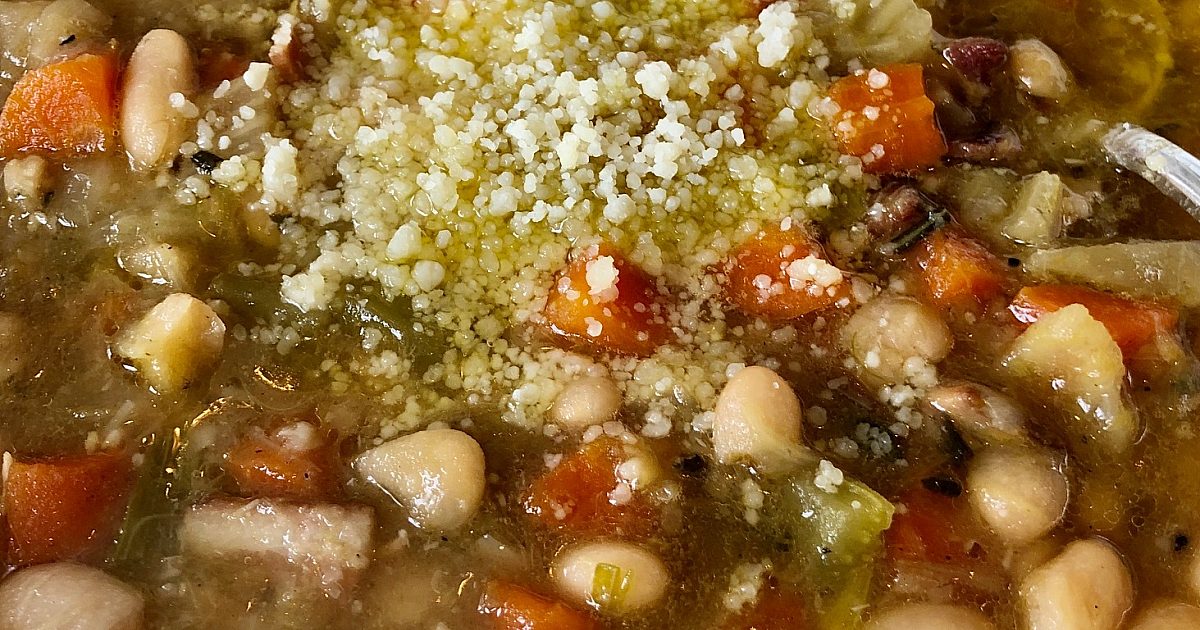
After a final 15-minute rest off the heat and removal of the bay leaves, the soup is ready to be reheated slowly, ladled into bowls, and finished with a sprinkle of Parmesan and a drizzle of good olive oil. This method results in a soup with an unparalleled depth of flavor and a wonderfully creamy, yet intact, bean texture that connoisseurs truly appreciate.
The Convenience Factor: Adapting with Canned Beans for Speed
Life doesn't always afford us the luxury of leisurely cooking, and Ina Garten understands this perfectly. For those times when you crave that comforting
Tuscan White Bean Soup but are short on time, she offers a brilliant adaptation using canned beans that doesn't compromise on the signature Barefoot Contessa quality. This isn't just about swapping ingredients; it’s about clever technique to achieve a similar result in a fraction of the time.
Here’s how the process elegantly streamlines:
- The Smart Puree: Instead of simply rinsing and adding canned beans, Ina introduces a crucial step: 2 (14-ounce) cans of cannellini beans are drained, but critically, some of their liquid is reserved. One cup of the drained beans is then pureed with half a cup of this reserved liquid in a food processor. This ingenious technique creates a creamy base that thickens the soup and mimics the luscious texture naturally developed during the long simmer of dried beans, preventing the soup from becoming watery or thin. The remaining drained beans are added whole.
- Reduced Stock and Simmer: With the pre-cooked beans and the thickening puree in place, less liquid is needed. The recipe calls for only 6 cups of chicken stock instead of 8-10. Furthermore, the simmering time is dramatically reduced to just 45 minutes. This shorter cook time is ample for the flavors to meld beautifully, as the beans are already tender.
The initial steps of sautéing pancetta and aromatics remain largely the same, ensuring that the fundamental flavor profile of the soup is preserved. This adaptation is a testament to Ina's ability to balance gourmet taste with practical home cooking, making this hearty Italian classic accessible on even the busiest weeknights.
Dried vs. Canned: A Head-to-Head Comparison for Your Kitchen
The choice between dried and canned beans for your
Tuscan White Bean Soup largely comes down to your priorities: time versus traditional flavor and texture. Both methods, guided by Ina Garten's expert hand, will yield a delicious soup, but they offer distinct advantages and disadvantages.
Dried Beans: The Traditionalist's Choice
- Pros:
- Superior Flavor Depth: Dried beans, particularly when soaked and slowly simmered, absorb flavors more profoundly, resulting in a richer, more complex taste.
- Ideal Texture: They cook down to a creamy interior while often retaining a slightly firmer, intact skin, offering a more satisfying mouthfeel.
- Cost-Effective: Dried beans are generally more economical per serving than canned beans.
- Control Over Sodium: You have complete control over the salt content from the start, as there's no added sodium from canning.
- Cons:
- Time-Consuming: Requires significant planning (at least 8 hours of soaking) and a longer active cooking time (1.5 hours simmer).
- More Effort: The process involves more hands-on time, including rinsing and soaking.
Canned Beans: The Modern Cook's Shortcut
- Pros:
- Unbeatable Convenience: No soaking required, drastically cutting down on prep time.
- Rapid Cooking: Significantly reduces simmering time (45 minutes vs. 1.5 hours), making it ideal for weeknight meals.
- Consistent Results: Canned beans are pre-cooked to a consistent tenderness, eliminating variability.
- Still Delicious: With Ina's clever puree trick, you still achieve a wonderfully creamy and flavorful soup, albeit with a slightly different character.
- Cons:
- Softer Texture: While the puree helps, whole canned beans can sometimes be softer or mushier than properly cooked dried beans.
- Potentially Less Flavor Depth: Despite the aromatics, the beans themselves might contribute less inherent "bean" flavor compared to those cooked from scratch.
- Higher Sodium: Canned beans often contain added sodium, though rinsing helps mitigate this.
- Slightly Higher Cost: Generally more expensive than dried beans.
Ultimately, the best choice depends on your schedule and desired outcome. If you have the time and appreciate the subtle nuances of traditional cooking, dried beans are incredibly rewarding. If you need a comforting meal in a hurry without sacrificing quality, Ina's canned bean method is a brilliant solution.
Elevating Your Barefoot Contessa Tuscan White Bean Soup (Beyond the Beans)
While the bean choice is a central debate, several other elements contribute to the exceptional quality of Ina Garten’s
Tuscan White Bean Soup. Focusing on these details will ensure your soup is nothing short of fabulous, regardless of your bean preference.
- Quality Ingredients are Key: As with all Barefoot Contessa recipes, the secret lies in using the best ingredients you can find. Opt for high-quality extra virgin olive oil, fresh, vibrant vegetables, and a robust chicken stock. These foundational components truly shine in a simple dish like this.
- Master the Mirepoix: Don't rush the initial sauté of the pancetta (or bacon) and vegetables. Allowing them to slowly caramelize and soften for 10 minutes creates a deeply flavorful base that permeates the entire soup. This step is critical for developing the soup’s core taste.
- Seasoning to Perfection: The recipe provides a starting point for salt and pepper, but always taste and adjust as the soup simmers. The flavors will deepen, and you might find it needs a little more to truly sing. A pinch of red pepper flakes can also add a subtle warmth if desired.
- Garnishes Make a Difference: Ina's recommendation of finishing with a generous sprinkle of grated Parmesan cheese and a final drizzle of good quality extra virgin olive oil is not merely decorative. The salty, nutty Parmesan and the fruity, peppery olive oil add layers of flavor and richness that elevate each spoonful. Freshly chopped parsley or additional rosemary can also add a vibrant touch.
- Reheating Savvy: This soup is fantastic for meal prep, often tasting even better the next day as the flavors continue to meld. When reheating, remember Ina's note: you'll likely need to add a bit more chicken stock or water to achieve the desired consistency, along with a final taste and adjustment of salt and pepper. For more insights on making this a staple in your kitchen, explore articles like Easy Tuscan White Bean Soup: Hearty, Healthy & Meal Prep Ready.
For those who want to dive even deeper into perfecting this classic, delving into the foundational techniques discussed in
Master Tuscan White Bean Soup: A Classic Comfort Meal can further enhance your culinary journey.
Ultimately, whether you choose the longer, more traditional path with dried beans or the swift, ingenious shortcut with canned, Ina Garten’s recipe ensures a bowl of
Tuscan White Bean Soup that is nourishing, comforting, and utterly delicious. The choice is yours, and with the Barefoot Contessa as your guide, you truly can't go wrong.